
Latest NVIDIA Drivers Might Cause Excessive SSD Writing
NVIDIA's latest GeForce Game Ready GPU drivers are reportedly causing excessive SSD writing on multiple systems.
Why am I seeing this Ranked on source trust — TechPowerUp
It ranks mainly on source trust: TechPowerUp is the most reliable outlet we track on this subject, and is the only one on the story so far.
Single-sourced. No second organisation has confirmed it yet.
Link-outLink-out, because only one organisation carries it and no first-party source is on it. Link-out means we point at the publisher and say nothing of our own.
| Factor | Weight | Score | Contribution | Where it came from |
|---|---|---|---|---|
| Corroboration | 0.35 | 0.39 | +0.135 28% | 1 independent org on the story. Tier-3 aggregators never corroborate — they can show something is circulating, never that it is true. |
| Source trustleads | 0.25 | 0.80 | +0.200 42% | TechPowerUp is the highest-trust source on this story. Trust is taken from the best source, not averaged. |
| Pickup rate | 0.20 | 0.00 | +0.000 0% | One counted organisation, so there is no spread to measure — nothing has picked this up to set a rate. |
| Freshness | 0.20 | 0.73 | +0.145 30% | Halves every 10 hours from the newest item on the story. This is the only factor that rewards a story for nothing more than being recent. |
Corroboration counts distinct organisations, once each, and only from tiers 1 and 2. Freshness halves every 10 hours, so this ranking is a snapshot and will differ at the next build.
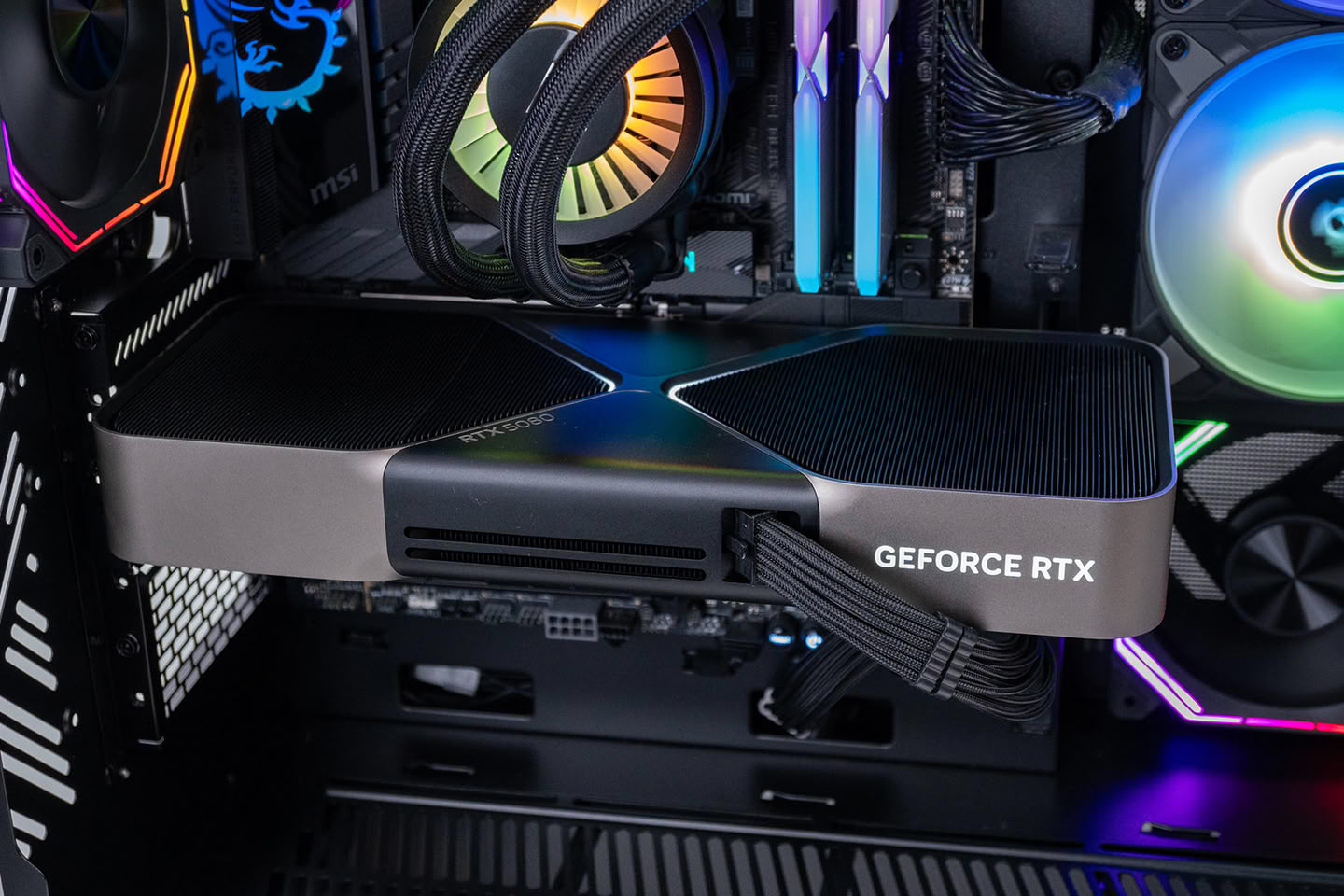
NVIDIA's latest GeForce drivers are writing excessive amounts of data to user SSDs. Driver version 621.14, released November 4, produced approximately 515 MB of writes during a five-minute idle period, compared to less than 2 MB with the earlier 621.01 version. Some users have reported write activity reaching 30 GB per hour with driver version 621.24.
The culprit appears to be a binary log file named nvlog.nvlgstg stored in the NVIDIA Corporation folder under C:\ProgramData. The NVDisplay.Container.exe process repeatedly rewrites this file. Continuous SSD writes accumulate over time and can accelerate wear on the drive, potentially shortening its lifespan given the high cost of modern NAND Flash storage.
Users can monitor write activity by opening the Disk tab in Windows Resource Monitor and checking for NVDisplay.Container.exe under Disk Activity. Disabling recording and overlay features has reduced write activity in some cases. Users experiencing this issue can check their systems to confirm whether their driver version is affected.
What happened
NVIDIA's latest GeForce Game Ready GPU drivers are reportedly causing excessive SSD writing on multiple systems. Users have been reporting numbers of up to 30 GB per hour of SSD writes, even when no typical writing activity is occurring. With driver version 621.01 installed, the NVIDIA Display Container process recorded less than 2 MB of writes while the PC was idle. However, with the upgrade to the version 621.14, released on November 4, the same five-minute check resulted in approximately 515 MB of writes. Another report indicates write activity as high as 30 GB per hour with the newer 621.24 driver.
How this story arrived
Ordered by when each source was first observed, which is what the velocity figure is computed from. Publishers backdate; observed order does not.
- 01 Techpowerup first seen Latest NVIDIA Drivers Might Cause Excessive SSD Writing
Overclock clusters coverage from independent sources and grades it automatically. The figures above are computed, not editorial. This page summarises and links to reporting by the outlets named — follow the links for the original work.