
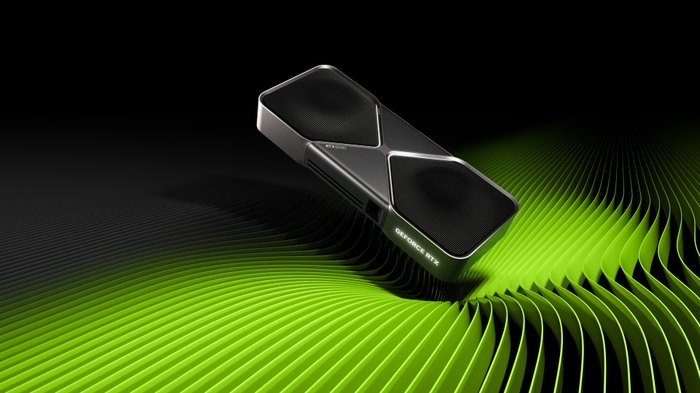
If you have priced a gaming PC this year, you have already met the AI boom. By the start of September graphics cards were selling for about 28% more than their launch prices on average, according to TechSpot, which tracks prices in 10 countries, and prices rose 15% between July and August alone. That average leaves out the RTX 5090 because it would swamp everything else: NVIDIA launched it at $1,999, and the cheapest one TechSpot could find in the US was around $4,900, 145% over list.
The cause is not a shortage of graphics chips in the usual sense. It is memory. Nearly everything with a processor in it needs DRAM, from a graphics card to a games console to a Raspberry Pi, and the companies that make it are also selling it to AI data centers. This year the data centers are outbidding everyone else.
You can see how hard in the contract prices memory makers charge their biggest customers. TrendForce, which surveys them, found that contract prices for conventional DRAM rose by roughly 93 to 98% in the first three months of 2026, in a single quarter, lifting the memory industry's revenue 81% to $97 billion. In the second quarter revenue rose another 59.5%, to about $154.7 billion. Suppliers' inventories, TrendForce says, are at historic lows, and what extra supply they have is going mainly to servers.
Two things are doing the pulling. The accelerators that train and run AI models carry high-bandwidth memory, HBM, which is built from DRAM dies stacked on top of one another, so every stack uses output from the same factories that make ordinary memory. And data centers now want ordinary memory too. TrendForce says that as AI shifts from training models to running them for users, cloud companies are buying general-purpose servers again, which widens their shopping list from HBM, LPDDR5X and the largest server modules to server memory of every size.
Here is the strange part. While ordinary memory doubled in price, HBM, the AI memory, got cheaper: TrendForce notes that falling HBM contract prices held back SK hynix's price gains early this year. Part of the reason the AI side is insulated is that its biggest buyers sign long-term agreements. In July TrendForce reported that several US cloud companies had signed multi-year deals that stop suppliers raising prices on them, and forecast that server memory contract prices would rise a comparatively modest 13 to 18% in the third quarter, with the market still undersupplied. Buyers without deals like that, including the companies that build PCs, consoles and RAM kits, have nothing capping what they pay.
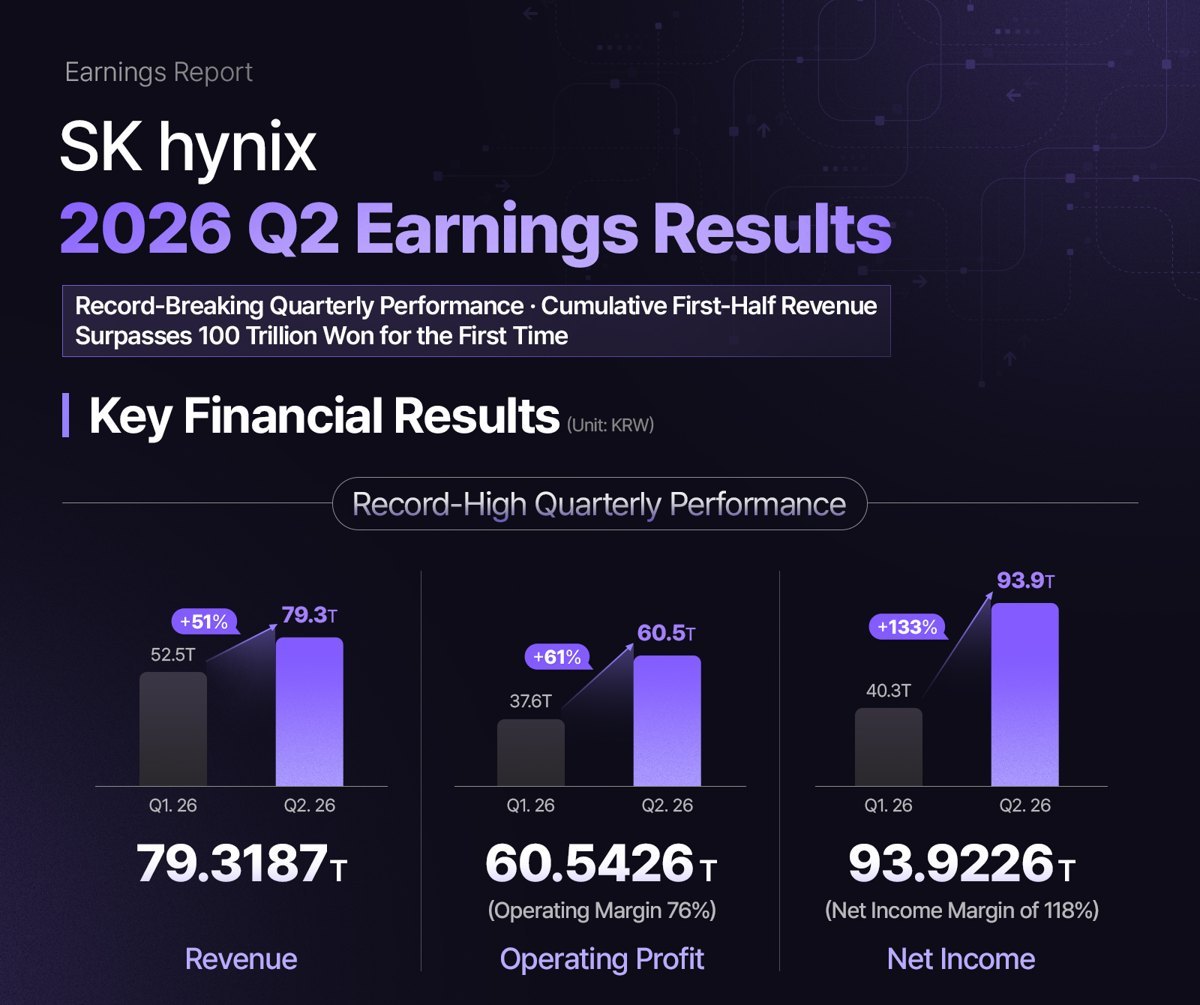
The chipmakers' results show where the money is going. SK hynix reported the best quarter in its history from April to June: 79.3 trillion won in revenue and 60.5 trillion won in operating profit, a 76% margin, on demand from AI infrastructure. NVIDIA's data center business took $89.0 billion in the quarter to late July, up 117% in a year. The part of NVIDIA it calls Edge Computing, whose results it explains by workstation and consumer PC sales, made $7.2 billion, and NVIDIA's own commentary says consumer PC sales were "tempered by elevated memory and systems prices". The same document says NVIDIA's supply commitments jumped from $119 billion to $279 billion in one quarter, mostly to buy memory.
Then it reaches the shelf. Sony raised PlayStation prices around the world from 2 April; in the US a PS5 is now $649.99, the Digital Edition $599.99 and the PS5 Pro $899.99. Nintendo raised the US price of the Switch 2 from $449.99 to $499.99 on 1 September. Neither company mentioned memory. Sony pointed to pressure in the global economy and Nintendo to changes in market conditions it expects to last, so any link to memory prices is an inference, not something either has said.
| Product | New US price | From | Reason the company gave |
|---|---|---|---|
| PS5 | $649.99 | 2 Apr 2026 | Pressure in the global economy |
| PS5 Digital Edition | $599.99 | 2 Apr 2026 | Same notice |
| PS5 Pro | $899.99 | 2 Apr 2026 | Same notice |
| Nintendo Switch 2 | $499.99, up from $449.99 | 1 Sep 2026 | Changes in market conditions expected to last |
| Raspberry Pi 4 and 5 with 2GB or more | Up $10 (2GB) to $60 (16GB) | Feb 2026 | Memory costs driven by competition for fab capacity from the AI roll-out |
One company did say it out loud. In February Raspberry Pi raised prices for the second time in two months, on every Pi 4 and Pi 5 board and compute module with 2GB of memory or more: $10 more for 2GB, rising to $60 more for 16GB. Its explanation was blunt. The LPDDR4 memory it uses had soared in price because of competition for memory factory capacity from the AI infrastructure roll-out, and some parts had more than doubled in a quarter. It held its 1GB boards at their old prices and says it wants to reverse the rises once the squeeze eases.
So what does it mean if you are buying now? Mostly that launch prices have stopped being useful. TechSpot's figures show the markup varies enormously from card to card. In the US an RTX 5060 Ti 16GB was selling 70% over its launch price and AMD's RX 9070 just 15% over, and the RTX 5070 and RX 9070, which launched at the same $549, were selling for $800 and $630. Compare what cards cost this week, not what they cost on launch day.
As for when it ends, not soon on the forecasts. IDC expects PC shipments to fall 11.3% this year while PC revenue still grows 1.6%, because each machine costs more, and expects memory supply problems to last through 2026 and likely well into 2027. Its model does not show prices returning to 2025 levels within its forecast period. NVIDIA, meanwhile, says it has secured the components it needs to meet demand for the next several years. The factories are busy, and most of what they make is already spoken for.